Rebuilding after fire — with care, precision, and speed.
From smoke residue on every surface to a full structural rebuild, our fire and smoke damage specialists restore your property and your peace of mind. One certified team handles emergency response, cleaning, deodorization, and reconstruction.
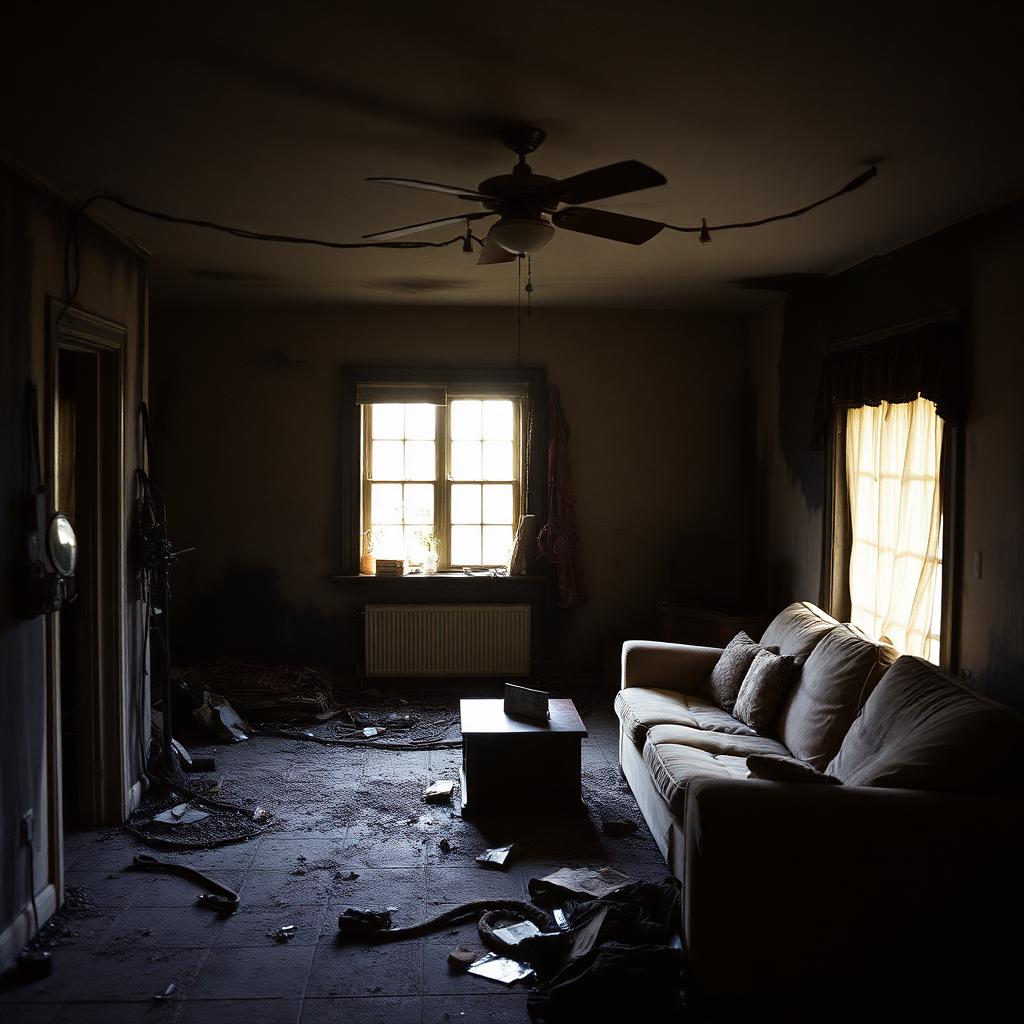
What you can expect
- 24/7 emergency response, board-up, and property securing
- Soot, smoke, and residue removal from every surface, contents, and HVAC
- Odor neutralization using thermal fogging, ozone, and hydroxyl generation
- Content pack-out, cleaning, deodorization, and secure off-site storage
- Full structural rebuild by licensed trades — framing, drywall, roofing, electrical
- Direct insurance billing and Xactimate documentation from day one
A complete scope of work.
Emergency Board-Up & Tarping
Immediate securing of windows, doors, and roof openings to protect the property from weather, theft, and secondary damage.
Soot & Residue Removal
Specialized cleaning of walls, ceilings, HVAC, cabinetry, and contents using dry sponges, chemical sponges, and wet-cleaning by material type.
Odor Neutralization
Thermal fogging, hydroxyl generation, and ozone treatment eliminate smoke odor at the molecular level — not just mask it.
Content Pack-Out & Restoration
Full inventory, careful pack-out, off-site ultrasonic and ozone treatment, secure storage, and return delivery once the home is ready.
Textile & Upholstery Cleaning
Furniture, drapery, clothing, and specialty items cleaned by material specialists to remove soot and odor.
HVAC Inspection & Cleaning
Ductwork inspection and NADCA-standard cleaning to remove soot contamination that would otherwise re-circulate throughout the home.
Structural Repair & Rebuild
Framing, drywall, roofing, insulation, electrical, and finishes rebuilt to current code by licensed trades under one contract.
Documents & Photographs
Careful handling and specialty restoration of salvageable documents, photos, and irreplaceable items.
Insurance Coordination
Xactimate estimates, photo documentation, and adjuster liaison — we manage the paperwork so you can focus on your family.
The first 48 hours after a fire matter most
By the time firefighters have finished their overhaul work and released the property back to you, three separate types of damage have already begun to compound. The fire itself has consumed materials in the ignition area. Smoke has coated every surface in the building — including rooms far away from the fire — with acidic soot that starts etching finishes within hours. And the thousands of gallons of water used to extinguish the fire have saturated framing, drywall, insulation, and flooring, creating conditions for mold to colonize within 24–48 hours.
The single most impactful thing you can do in the first 48 hours after a fire is bring in a certified restoration team that handles all three damage vectors under one contract. Soot residue that sits on brass, chrome, and finished wood for more than a day may become permanent. Smoke odor that sinks into upholstery and drywall paper without immediate treatment can require replacement rather than cleaning. Water that is not extracted within the first 24 hours becomes a mold problem stacked on top of the fire loss.
We arrive with the ability to secure the structure, extract water, remove soot with the correct chemistry for each material, and begin content pack-out — all on day one. That coordination is why our fire projects consistently come in on schedule and on budget while preserving items that lesser-equipped contractors would have written off.
Why smoke damage extends far beyond the fire zone
Smoke is essentially a suspension of ultra-fine particulate — much of it smaller than 2.5 microns — combined with acidic gases. When a fire is active, the pressure differential drives that smoke through every seam, penetration, and HVAC path in the building, depositing residue in rooms that were never touched by flames.
The chemistry of the residue depends on what burned. Protein fires (kitchen fires, especially grease) leave nearly invisible residues with an overwhelming odor and require a completely different cleaning approach than the visible black soot from wood or synthetic-material fires. Puff-back from oil furnaces produces yet a third category. Our technicians identify the residue type first, then select cleaning chemistry appropriate to the surface — because using the wrong solvent on the wrong residue can permanently etch finishes.
Odor is the last thing to leave a fire loss and the most common reason homeowners are unhappy with a first-round cleaning. That is why we treat odor at multiple stages: physical removal of residue, thermal fogging to reach the same cracks and cavities smoke penetrated, and — for the toughest cases — hydroxyl generators or ozone treatment inside sealed containment. If we do not neutralize the odor on the first pass, we come back until we do.
Content restoration versus replacement
One of the biggest financial decisions in any fire loss is what to clean and what to replace. Insurance carriers pay the lesser of restoration cost or replacement cost, so a careful pack-out and off-site cleaning operation frequently saves policy limits that would otherwise be exhausted on new furniture and belongings — leaving more coverage for the structural rebuild.
We pack out under detailed inventory, photograph every item, tag by room, and transport to our off-site cleaning facility. Textiles go through Esporta washing, hard contents through ultrasonic tanks, and porous items into ozone chambers. Salvageable electronics are cleaned and tested by specialists. Items that cannot be restored are documented for total-loss payout.
Sentimental items — photographs, documents, heirlooms — receive individual attention from our document-restoration partners. We cannot promise every item can be saved, but we can promise every item gets its best chance.
Step by step, start to finish.
Emergency Response
Immediate site securing, safety assessment, and utilities check within an hour of your call.
Damage Assessment
Detailed scope of work, photo documentation, and a written Xactimate estimate delivered to you and your carrier.
Cleanup & Deodorization
Soot and residue removal, water damage mitigation from firefighting efforts, and full molecular-level odor treatment.
Rebuild & Walkthrough
Full reconstruction, punch-list walkthrough with you and your adjuster, and workmanship guarantee.
Answers to common questions.
How soon after a fire can restoration start?+
As soon as the fire department releases the property. We can be on-site the same day for board-up, tarping, and initial assessment, with content pack-out and cleaning typically beginning within 24–48 hours pending scope approval from your insurance adjuster.
Does insurance cover fire damage restoration?+
Yes. Fire is a named peril on virtually every standard homeowners and commercial property policy. Coverage typically includes structure, contents, additional living expenses during displacement, and debris removal. We bill your carrier directly and manage the documentation.
How long does a full fire restoration take?+
A small kitchen fire with contained damage can be complete in 2–4 weeks. A whole-house fire with significant structural loss can take 3–9 months depending on rebuild scope, permit timelines, and material availability. We give you a written schedule at scope approval.
Can smoke odor really be fully removed?+
In the vast majority of cases, yes — but it requires the right combination of physical residue removal, sealed thermal fogging, hydroxyl or ozone treatment, and, where residue penetrated too deeply, replacement of specific materials (usually drywall paper and insulation). Any restoration company that promises odor removal without touching materials should be viewed skeptically.
What about my belongings — can they be saved?+
Most items can be professionally cleaned. Textiles, hard contents, electronics, and even many documents and photos are restorable with the right process. We pack out, inventory, clean, and store your belongings off-site, then return them once your home is ready.
Is it safe to enter my home after a fire?+
Not until the fire department clears it and, ideally, not without protective footwear and respiratory protection. Fire residue is acidic, water damage may have compromised structural elements, and soft particulate becomes airborne easily. Wait for our initial assessment before spending time inside.
Explore more solutions.
Request your free inspection.
A certified specialist will call you back within 15 minutes to schedule your on-site assessment — no obligation, no pressure.
Damage doesn't wait. Neither do we.
One call sets a certified crew in motion. Free inspections, direct insurance billing, guaranteed workmanship.