Why Mold Keeps Coming Back (And How to Stop It for Good)
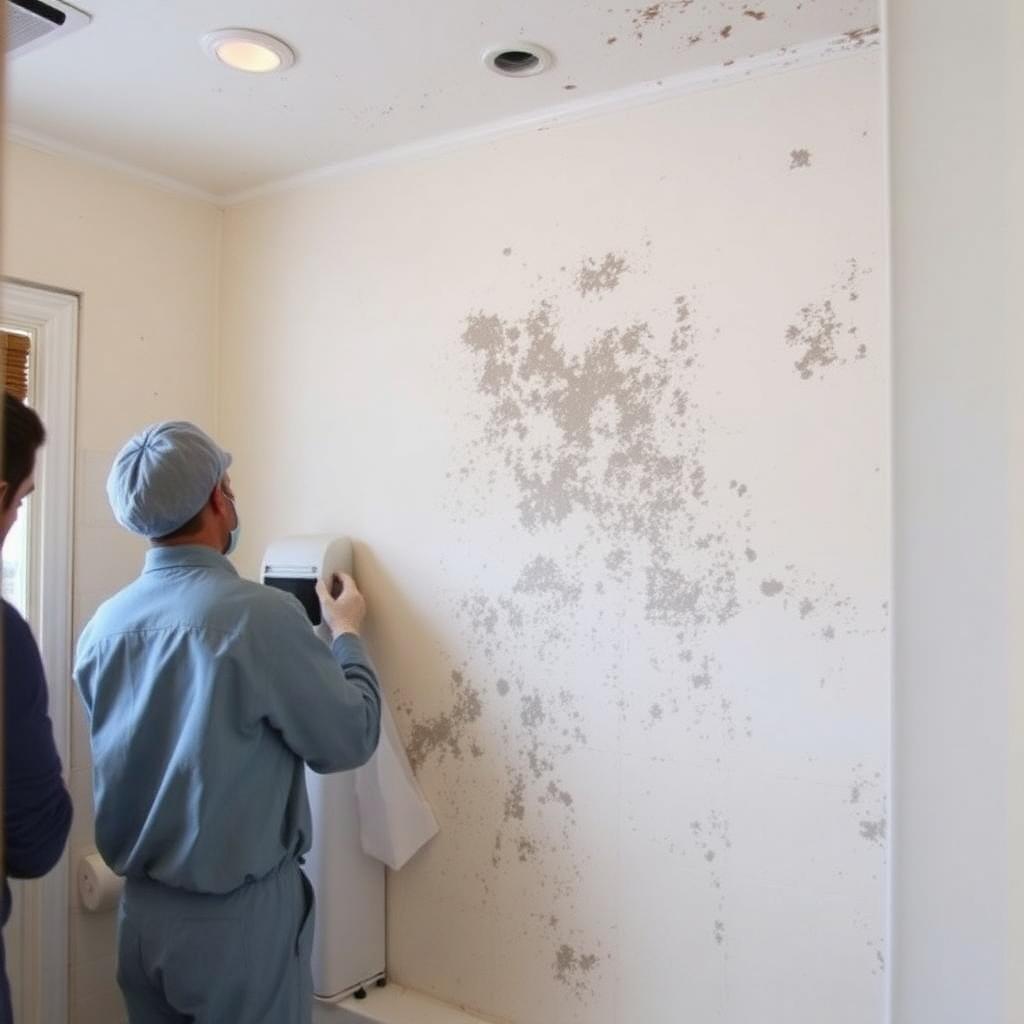
Have you cleaned mold only to find it reappearing a few weeks or months later? You're not alone. Many homeowners experience the same frustrating cycle. The visible mold disappears, everything looks clean again, and then the musty smell returns or new mold spots begin to appear.
The reason is simple: cleaning mold isn't always the same as solving the problem. Mold is often a symptom of an underlying moisture issue. Unless the source of that moisture is identified and corrected, mold can continue to return, even after repeated cleaning.
In this guide, we'll explain why mold keeps coming back, the most common causes, and what you can do to help prevent future growth.
Mold Is a Symptom, Not the Root Problem
One of the biggest misconceptions about mold is that removing the visible growth solves the issue. In reality, mold grows because conditions inside the home allow it to thrive. These conditions usually include excess moisture, warm temperatures, organic building materials, and limited airflow. If moisture remains, mold can begin growing again in the same area or spread to nearby materials.
Hidden Moisture Is Often the Real Cause
Many moisture problems aren't immediately visible. Common hidden sources include slow plumbing leaks, roof leaks, leaking windows, poorly sealed showers, condensation inside walls, HVAC condensation, foundation moisture, and crawl space humidity. Because these issues may go unnoticed, mold often returns after surface cleaning. Professional inspections are designed to identify moisture that isn't visible during a routine home inspection.
Cleaning Visible Mold Doesn't Remove Hidden Mold
Sometimes homeowners successfully clean mold from the surface of a wall or ceiling. Unfortunately, mold may still be growing behind drywall, inside insulation, under flooring, beneath cabinets, and inside ceiling cavities. Visible mold may only represent a small portion of the overall problem. This is why recurring mold often requires a more comprehensive inspection.
High Humidity Creates the Perfect Environment
Even without leaks, high indoor humidity can encourage mold growth. Rooms commonly affected include bathrooms, laundry rooms, basements, kitchens, and crawl spaces. When humidity stays elevated for extended periods, moisture can collect on surfaces and allow mold to develop. Using proper ventilation and controlling indoor humidity can help reduce this risk.
Water Damage That Wasn't Fully Dried
After flooding or water damage, surfaces may appear dry while moisture remains trapped inside building materials. Without professional drying equipment, water can remain inside drywall, wood framing, flooring, subfloors, and insulation. Over time, this trapped moisture creates ideal conditions for mold growth. Prompt water damage restoration helps reduce the likelihood of future mold problems.
DIY Cleaning May Not Address the Whole Problem
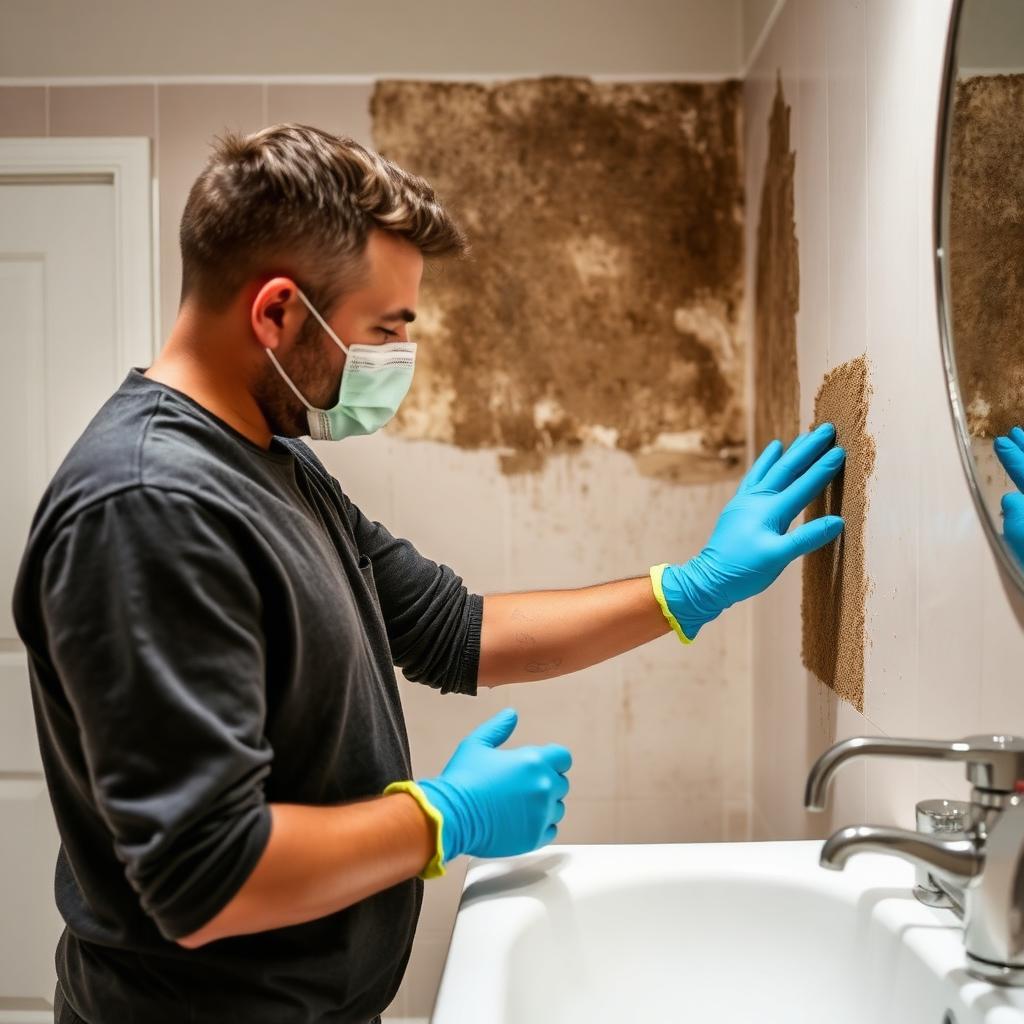
Household cleaning products can often remove visible mold stains. However, they may not eliminate mold growing inside porous materials or hidden spaces. In addition, cleaning without addressing the moisture source increases the chances that mold will return. Professional mold remediation focuses on identifying and correcting the underlying cause rather than simply treating visible surfaces.
Poor Ventilation Can Contribute to Mold Growth
Moisture naturally builds up in areas where water is frequently used. Without adequate ventilation, damp air remains trapped indoors. This commonly occurs in bathrooms without exhaust fans, laundry rooms, kitchens, attics, and crawl spaces. Improving airflow helps reduce excess moisture and supports long-term mold prevention.
Delaying Repairs Can Make the Problem Worse
A small leak may not seem urgent. However, even a slow drip can introduce enough moisture to support mold growth over time. Ignoring signs such as water stains, peeling paint, bubbling drywall, and musty odors can allow mold to spread before the underlying issue is discovered. Early repairs often prevent more extensive remediation later.
How Professional Mold Remediation Helps
Professional remediation goes beyond removing visible mold. A complete remediation plan may include:
Comprehensive Inspection
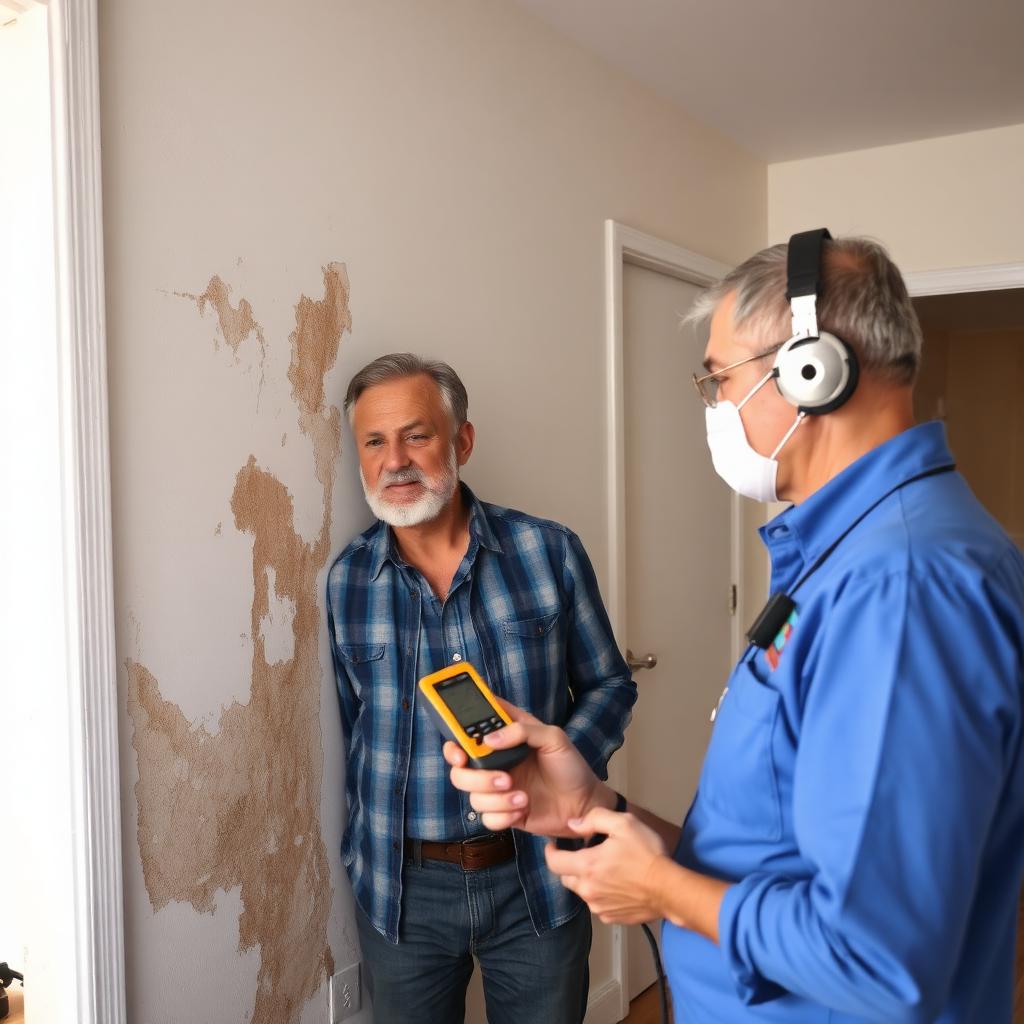
Professionals assess the extent of the mold and identify hidden moisture.
Moisture Detection
Specialized equipment helps locate moisture behind walls, under floors, and in other concealed areas.
Containment
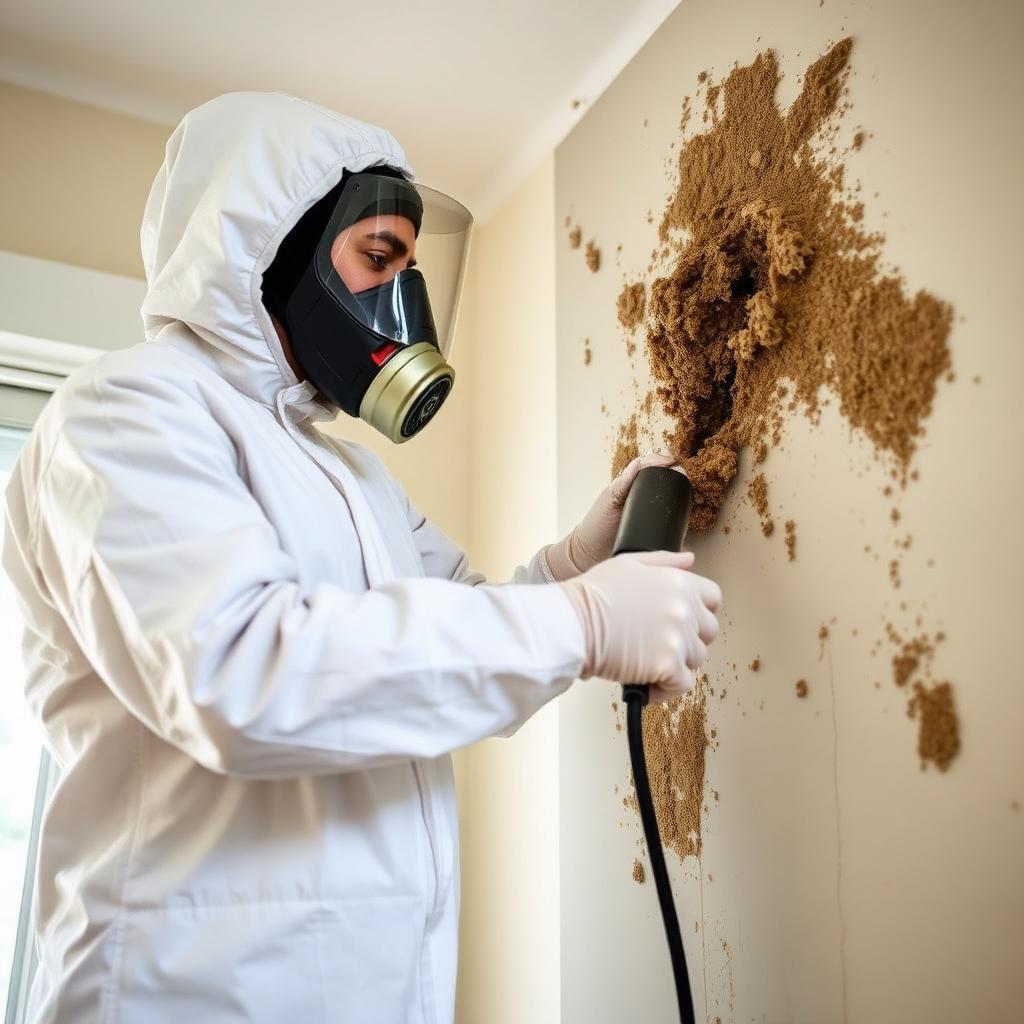
Affected areas are isolated to help reduce the spread of mold spores during remediation.
Safe Mold Removal
Contaminated materials are cleaned or removed using industry-accepted methods.
Drying and Moisture Control
Commercial drying equipment helps eliminate excess moisture before restoration begins.
Prevention Recommendations
Homeowners receive guidance on reducing future moisture problems and maintaining a healthier indoor environment.
Tips to Help Prevent Mold from Returning
While no home is completely immune to mold, these simple steps can significantly reduce the risk: repair plumbing leaks immediately, address roof leaks promptly, use exhaust fans when cooking or showering, improve ventilation in damp areas, dry wet materials as quickly as possible, keep indoor humidity at appropriate levels, schedule inspections after flooding or significant water damage, and monitor basements, crawl spaces, and attics regularly. Preventative maintenance is often the best defense against recurring mold.
Frequently Asked Questions
Why does mold come back after I clean it?
In many cases, the underlying moisture source was never corrected. As long as moisture remains, mold can return.
Can mold grow behind walls?
Yes. Mold frequently develops behind drywall, beneath flooring, inside ceilings, and in other hidden areas where moisture is present.
Does painting over mold solve the problem?
No. Paint may temporarily cover stains, but it doesn't eliminate mold or correct the moisture source.
How do professionals stop mold from coming back?
Professional remediation focuses on identifying moisture problems, removing contaminated materials when necessary, thoroughly drying affected areas, and helping prevent future moisture issues.
When should I schedule a mold inspection?
If mold continues to return, you notice persistent musty odors, or you've experienced recent water damage, a professional inspection is recommended.
Stop the Cycle of Recurring Mold
If mold keeps returning, it's usually a sign that something deeper is happening inside your home. Rather than repeatedly cleaning visible mold, consider addressing the source of the problem. A professional inspection can identify hidden moisture, locate concealed mold growth, and help develop a long-term solution.
At MoldRestorationPros, we provide comprehensive mold inspections and professional remediation services designed to restore your property and help reduce the risk of future mold growth. Contact us today to schedule an inspection and take the next step toward a healthier home.